Gemma Allcott is a Lecturer in
Biological Sciences, with expertise spanning biochemistry, microbiology and infectious disease. Her research explores the molecular mechanisms that underpin health, disease and the growing challenge of antibiotic resistance.
For most of us, antibiotics are something we rarely think about. Whether it’s a short course of tablets for a chest infection, antibiotics given before surgery or treatment following an animal bite, these medicines have become an almost invisible part of modern healthcare. But what if these drugs stopped working?
Before the discovery of antibiotics, bacterial infections were among the leading causes of death worldwide. A minor cut or graze could become infected, pneumonia frequently proved fatal and routine surgery was extremely high risk. Even childbirth was far more dangerous than it is today, with bacterial infections claiming the lives of many mothers and babies.
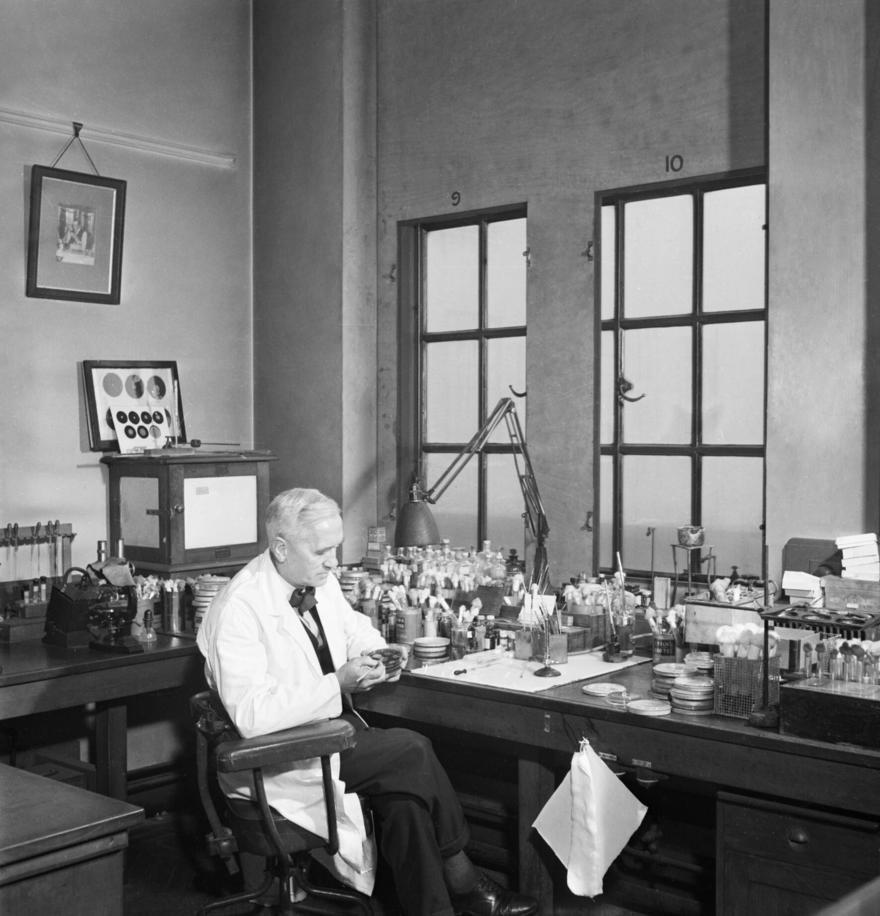
Everything changed in 1928 when Alexander Fleming made a chance observation which led to the discovery of penicillin. During the 1940s, scientists developed methods to produce penicillin on a large scale, making it available to treat thousands of patients during the Second World War. This marked the beginning of the antibiotic era. Over the following decades, many new antibiotics were discovered and introduced into clinical practice, transforming medicine in ways that had previously seemed impossible.
For the first time in human history, doctors had medicines that could reliably cure many bacterial infections rather than simply hope the patient's immune system would prevail. Deaths from bacterial infections fell dramatically, and routine surgery became much safer. In fact, many of the medical treatments we now take for granted, including cancer chemotherapy, organ transplantation and neonatal intensive care, depend on effective antibiotics to protect vulnerable patients from infection.
The discovery of antibiotics revolutionised medicine, but even in the early days, Alexander Fleming warned that their effectiveness might not last forever. Decades before antimicrobial resistance became a global health crisis, he recognised the dangers of exposing bacteria to antibiotics in doses too low to kill them.
"The time may come when penicillin can be bought by anyone in the shops. Then there is the danger that the ignorant man may easily underdose himself and, by exposing his microbes to non-lethal quantities of the drug, make them resistant."
- Alexander Fleming, Nobel Prize Lecture, 1945
His warning highlighted a simple but important principle. Whenever bacteria are exposed to antibiotic concentrations that are too low to kill them, those carrying genetic changes that help them survive are far more likely to persist. Over time, these survivors reproduce, passing their advantageous genes to future generations while susceptible bacteria disappear. This process of natural selection lies at the heart of antimicrobial resistance.
Unlike humans, bacteria have another remarkable evolutionary advantage. They reproduce astonishingly quickly, meaning evolution can occur over days rather than thousands of years. They can also exchange pieces of DNA directly with one another, allowing useful genes, including those conferring antibiotic resistance, to spread rapidly through bacterial populations and even between different bacterial species.
These extraordinary abilities mean humanity and bacteria are locked in a continual evolutionary arms race. Every new antibiotic creates a new selective pressure, and bacteria respond through mutation and by sharing resistance genes with one another. Scientists develop new treatments, bacteria evolve new ways to resist them, and the cycle continues.
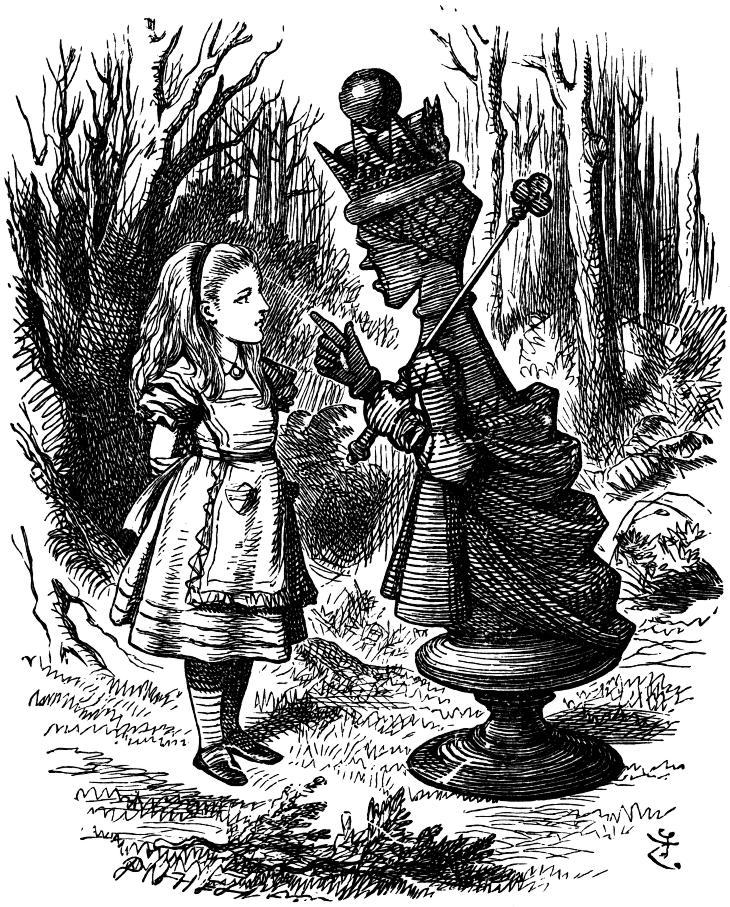
Evolutionary biologists often describe this kind of competition using the "Red Queen Hypothesis", inspired by Through the Looking-Glass by Lewis Carroll. In the story, the Red Queen tells Alice: "It takes all the running you can do, to keep in the same place. If you want to get somewhere else, you must run at least twice as fast as that."
The comparison captures antimicrobial resistance remarkably well. Simply maintaining our current ability to treat bacterial infections demands constant scientific effort because bacteria never stop evolving. To make real progress, however, simply keeping pace is not enough. We must develop treatments that remain effective for longer, slow the emergence of resistance and continually outpace bacterial evolution. In the Red Queen's words, we have to "run at least twice as fast."
Today, antimicrobial resistance is estimated to contribute to around five million deaths worldwide each year and is recognised as one of the greatest threats to global health. The challenge facing scientists is no longer simply to discover the next antibiotic, but to think differently about how we fight bacterial infections altogether.
From developing new antibiotics and alternative therapies to improving diagnostics and understanding the evolutionary forces that drive resistance, researchers are searching for ways to stay ahead. In the evolutionary race against bacteria, standing still is not an option.
Find out more about the School of Science and the Environment