Student Advice for STAR appointments at the University of Worcester
Throughout my life I have always made the most of the resources around me. That has included mental health support. No matter what is going on in your life, talking to someone can make a big difference. And you don't know till you try!
I have been to therapy since high school and I have found the practitioners at the University of Worcester to be some of the best in their field.

I could not recommend using these services more, they are indispensable and core to the workings of the university.
Here is some advice to help you navigate the STAR services.
Considering therapy
Therapy may seem like a scary word that carries a lot of weight but in reality, at its bare bones, it's a conversation.
There may be things discussed that are heavy, but therapy can be a way to lighten the load.
If you have doubts about therapy, try to have an outsider's perspective. Picture what advice you would give to a friend and follow that. You will know if/when you are ready for therapy and do not force it; this can prohibit your development.
Booking an appointment
STAR appointments are the introductory session where you are assessed, depending on your practitioner will determine how long this can take (usually 30-50 minutes).
The counselling sessions are typically an hour long and can be fortnightly or weekly. The team assures that you are able to mould the sessions to your needs.
The STAR appointments can be in person or through teams and are available Monday to Friday from 9am to 4:30pm. You can book an appointment online, or by contacting firstpoint by email, firstpoint@worc.ac.uk or phone, 01905 542551.
Going to therapy
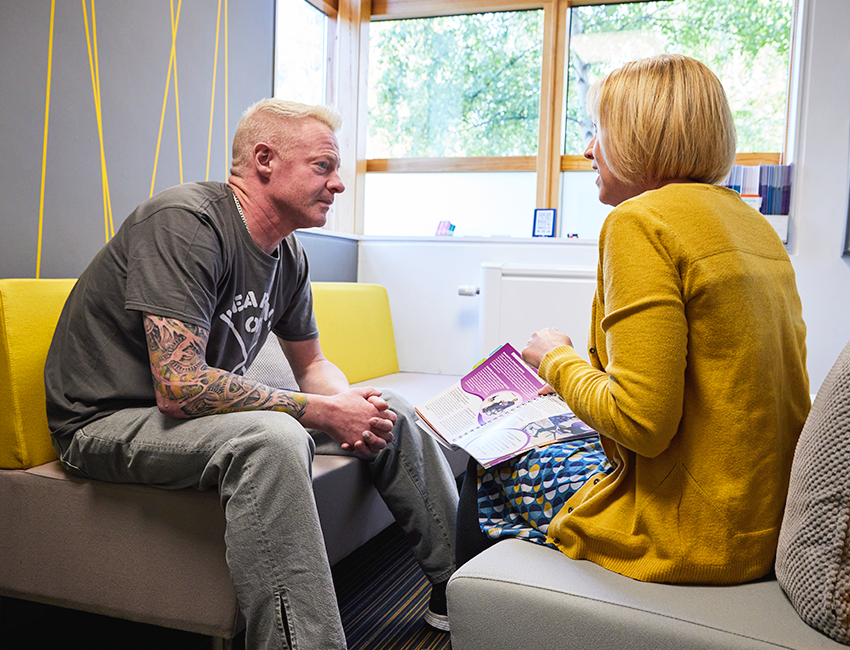
A piece of advice that works for me is thinking about what I want to talk about beforehand. I usually try to write a list of prompt points that can help direct what I want to get out of the session.
Being able to just talk to someone and have an educated individual who is impartial to the situation can be super helpful. Therapy helps you build self awareness to understand how your brain works which immensely benefits your growth.
It’s good to take time to identify certain elements that may be difficult to talk about before your session(s). I do this because I know that if I get upset or start feeling guilty for being emotional, I have given myself grace by pointing out certain stirring topics.
Therapy is commonly linked to learning to live with mental health disorders or processing trauma. If you are not considering therapy for these reasons, please remember you are doing this for you. Comparing your motivations for attending therapy matters no less than other peoples.
Stages of understanding
Questions you had about your behaviours or actions can be answered and explained through the process of therapy or counselling. I have been lucky enough to break down my experiences and understand why certain things have manifested in my life.
Another incredible skill I have learnt from therapy (and personal development post therapy) is how to identify triggers. This has been very valuable to me in daily life.
Creating techniques that can help process and handle future experiences is also a very helpful tool that can be used to prevent further harm.
Reflection
If you feel attending therapy did work:
If you feel attending therapy did not work:
-
Consider if you were with the right person. There are many incredible therapists to choose from but not all personalities mix well, and that’s okay. You have to put your best interests first and if that means you need a different therapist you have the option at the University of Worcester to pursue that.
Remeber, the service is free! If you do not feel ready to stop receiving therapy, go back! You can always request another appointment.
Blog uploaded: 11/02/2026