How to make the most of your Master's
Whether you're looking for further knowledge, deeper insight or a more developed understanding of your chosen field, a Master's degree could be for you.
Additionally, pursuing a Master’s degree in any subject enhances graduate employability as well as supporting your personal, professional and academic development.
Have I convinced you to do a Master’s yet? Now, let’s have a look at how to make the most of your time as a postgraduate student.
Utilise the support of your tutors
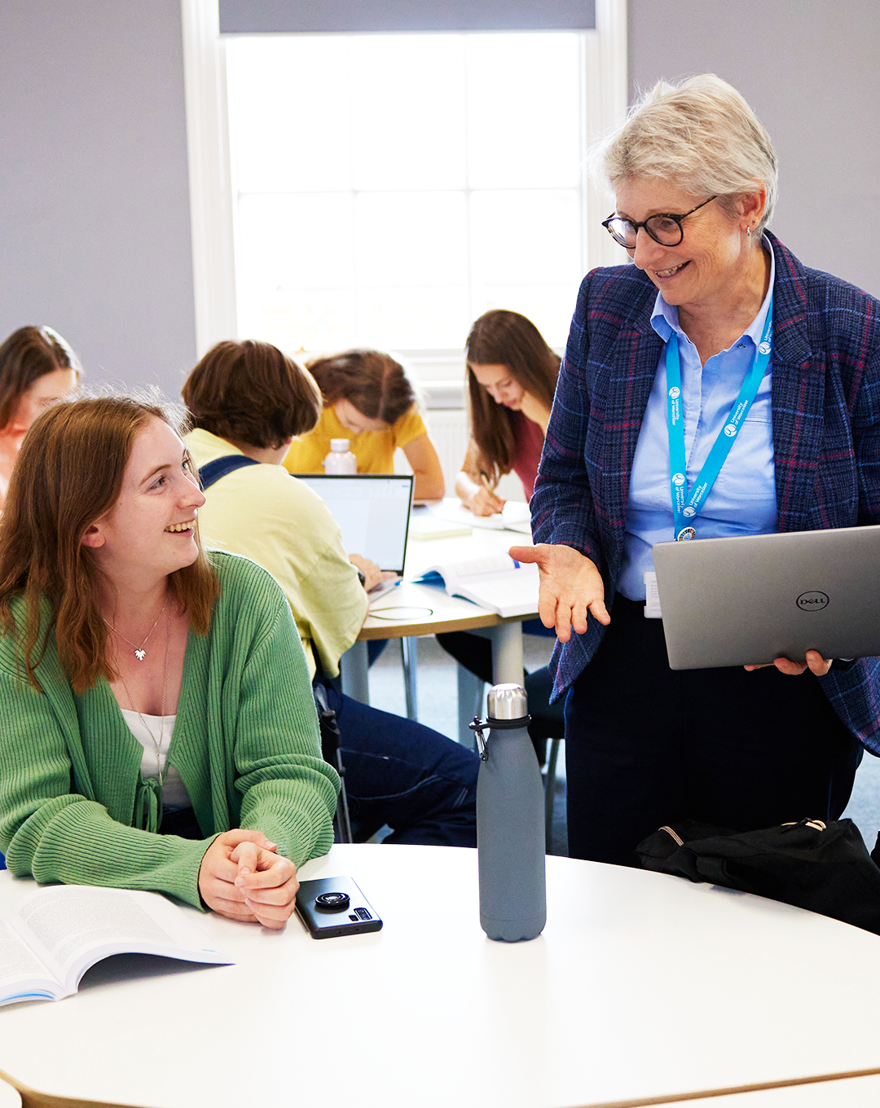
Whilst it is true that a Master’s degree generally requires you to be more independent in your studies, it doesn’t mean that you are on your own with it.
Your course tutors are always there to support you through taught lectures or seminars, assignment tutorials or via email for issues or queries. Each tutor has a unique set of skills, knowledge and experience that they bring to the course, often leading modules that match their own research interests.
Towards the end of your course, you will be allocated a supervisor for your thesis or dissertation. Whilst this is an independent research project where most of the input comes from you, the support of your supervisor will be invaluable as they are often experts in that research area and can advise you on all aspects of the process.
Yes, you can do it all by yourself if you really want to – but trust me, you will learn a lot more if you let your tutors help you.
Discover the wide range of university resources
Perhaps one of the most exciting aspects of being a university student is having easy access to pretty much all the knowledge in the world! On the other hand, I completely understand why just the idea of a reading list invokes pure panic in most people.
The reason why module reading lists tend to be so extensive, especially at postgraduate level, is because tutors aim to include a wide variety of literature and research so that every student can find what they need to deepen their interests in a particular area – and, of course, to be used as the basis for assignment writing.
But nobody is saying you have to study every single item on the reading list from top to bottom! My advice would be to treat it like a pick and mix – have a quick look through everything, but only explore in depth the resources that match your interests or chosen topics.
And one bonus tip – visit The Hive! There is simply something magical about browsing through shelves full of books and feeling like you’re surrounded by knowledge.
Find opportunities to put theory into practice
Depending on your chosen field, studying theoretical knowledge from the past and present will likely form a significant part of your Master’s.
This is vital so that you can start forming your own views and opinions which will then support you through the completion of your dissertation study. However, theory can only get you so far – the real joy of learning comes from being able to put theory into practice.
Whilst this might not be an option for everyone, see if you can find any part-time jobs, internships or volunteering opportunities within the field you are studying.
For me, working part-time at a day nursery alongside my Master’s in Early Childhood Education allowed me to use the knowledge I gained from the course modules into practice, further developing my critical thinking skills. In addition, I was able to gain other transferable skills and experience that I can use in life after university.
In some fields, finding work opportunities might be easier than in others. If you are struggling, I would strongly recommend the Careers and Employability Service that you can access through firstpoint. They advertise a wide range of vacancies directly on their website, but you can also book a 1:1 appointment with a careers advisor if needed.
Lastly, find what works for you. Everybody’s journey towards a Master’s degree will be different, depending on many factors and circumstances.
A Master’s really can be for everyone – so if you’re feeling even the smallest urge to pursue a postgraduate degree, this is your sign! And if you’re anything like me, you will be considering a PhD application before you know it…