Jenny Lind... Who was she?
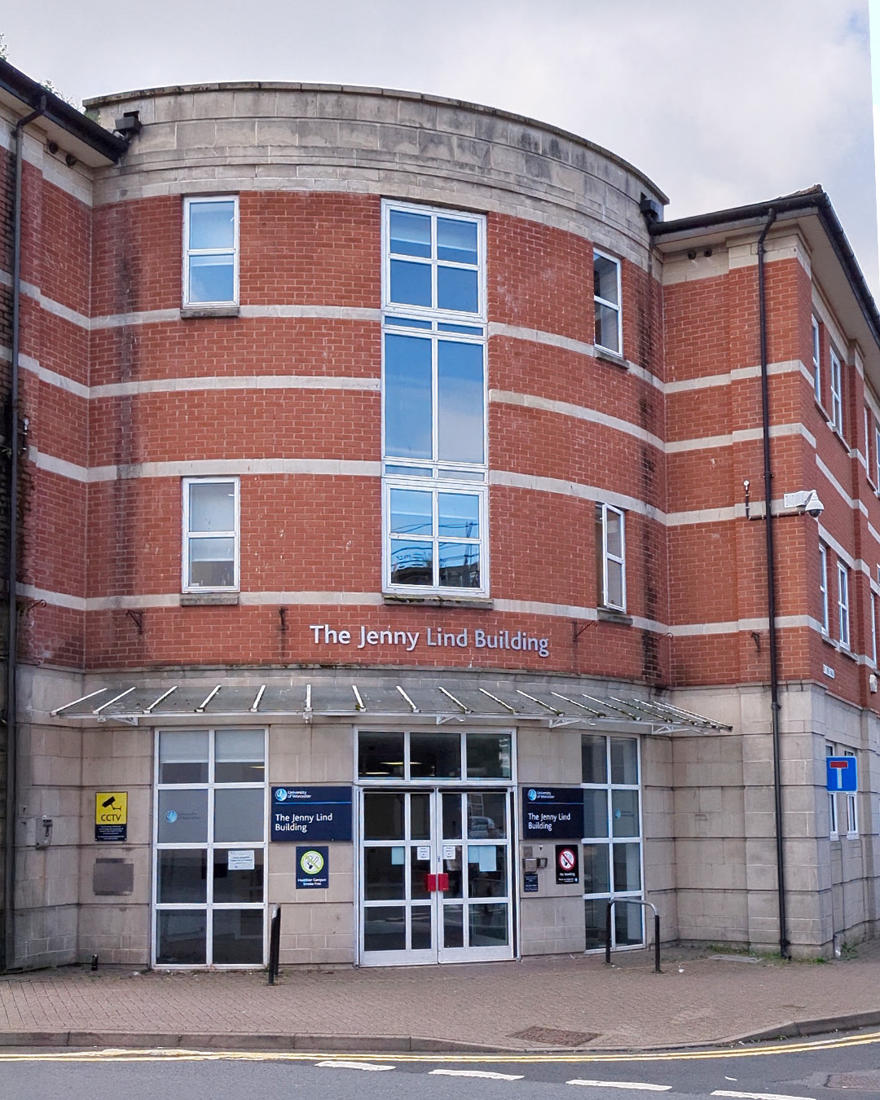 The Jenny Lind building
The University’s City Campus occupies some of the most historically significant buildings in Worcester.
From the impressive Charles Hastings Building, built in 1771 and formerly home to the Worcester Royal Infirmary, to the former Austin Motors and County Furnishings building on Castle Street, now home to the Art House and built in 1939; the campus is embedded in the city’s fabric and history.
On the southern edge of City Campus sits the Jenny Lind building. Stretching east along Cherry Tree Walk and west towards Farrier Street, this striking red-brick and white-stone building, while not historic itself, stands in an area of the city that has seen increasing development in recent years.
The adjacent railway arches which used to serve as parking or workshop space now house independent restaurants and vibrant art and exhibition spaces. The once quiet area of the city is now alive with the bustle of students making their way to campus, residents making their way to work, and visitors exploring this flourishing part of Worcester.
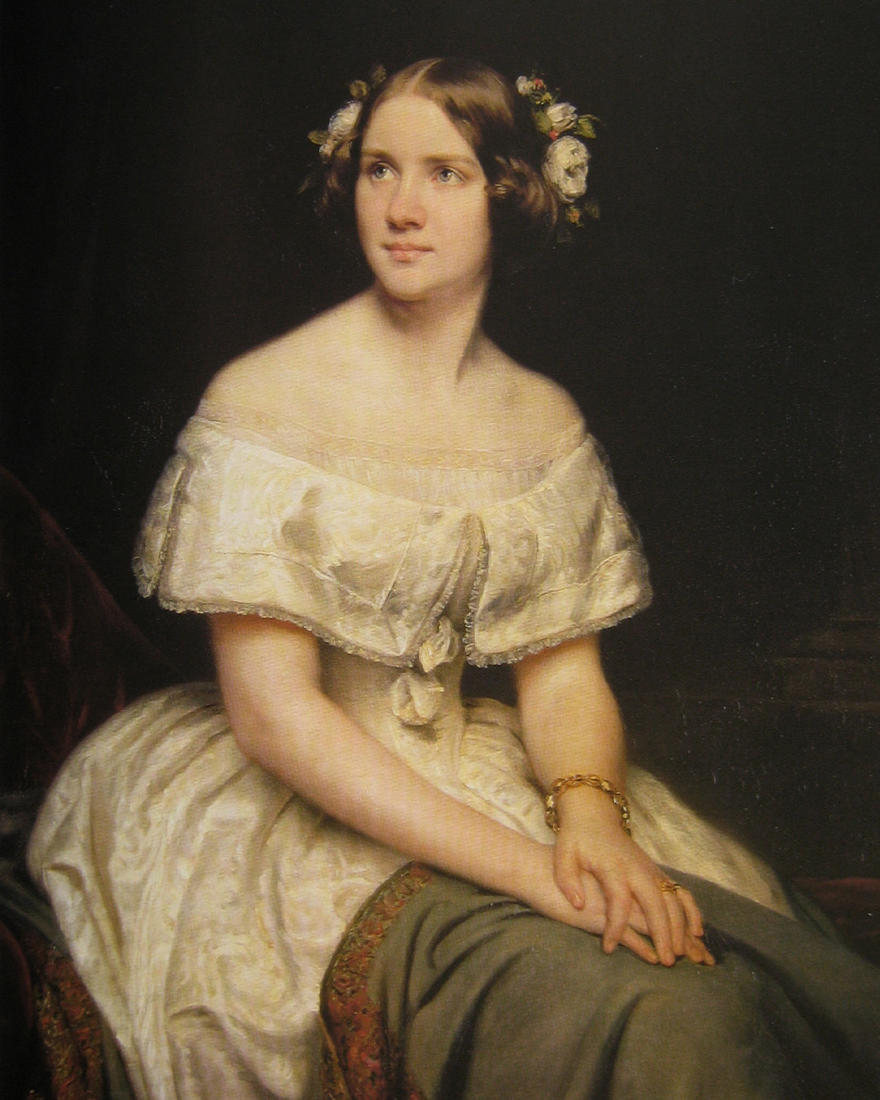 Jenny Lind
But who was Jenny Lind, and why does she lend her name to a University building in Worcester?
Jenny Lind was one of the most celebrated soprano opera singers of the 19th century. Though she was born in Stockholm and nicknamed The Swedish Nightingale, she later made England her home and spent the final years of her life at Wynd’s point on the Malvern Hills; her grave is in the cemetery in Great Malvern.
Renowned for her charitable work across Europe, especially for supporting the work of hospitals, she left a munificent gift of £840 towards the building of a beautiful chapel at what was then Worcester Royal Infirmary and is now a part of the University; a chapel you can still go into today.
Her life and career continue to capture public imagination, in recent years through her inclusion in the film The Greatest Showman. While the portrayal is fictionalised and loosely inspired by her real American tour, it reflects the scale of her fame during her lifetime.
Before becoming part of the University of Worcester, the Jenny Lind Building served as the headquarters of Worcester City Council. It’s city-centre location made it an ideal spot for civic working life, thanks to its proximity to the nearby Foregate Street train station.
After being purchased by the University in 2015 it wasn’t long before the building became home to the School of Law, which opened the following year.

Today, it houses a purpose-built, fully accessible Moot Room, a mock courtroom designed to replicate real legal proceedings. The space includes benches for judges, barristers, defendants and witnesses, a jury bench, and even a separate Jury Room, allowing students to experience the realities of courtroom practice.
It received high praise when it opened from Lord Justice Sir Andrew McFarlane, who visited and commented on the quality of the facilities.
Law students regularly use the courtroom while wearing formal gowns and wigs, further replicating the real professional environment. The building is also used by students studying for degrees in Professional Policing, another example of its role as a centre for applied learning.
The Jenny Lind Building is also home to the University of Worcester’s Doctoral School, acting as a focal point for postgraduate research students across many disciplines.
The building was named after a woman central to the region’s past; the Jenny Lind Building now supports those who will help shape and safeguard its future, through learning, justice and knowledge.
If you’d like to read more about Jenny Lind, the Museum of Music History has extensive biographical information her, along with images of programmes from her performances. Read more on the Museum of Music History website.