Elizabeth Garrett Anderson… Who was she?
At the University of Worcester, many of our buildings are named after remarkable and inspirational women who helped shape history.
In this series, we’ll introduce you to those women; who they were, what they achieved, why the University has a building named after them, and what takes place inside the buildings that bear their names today.
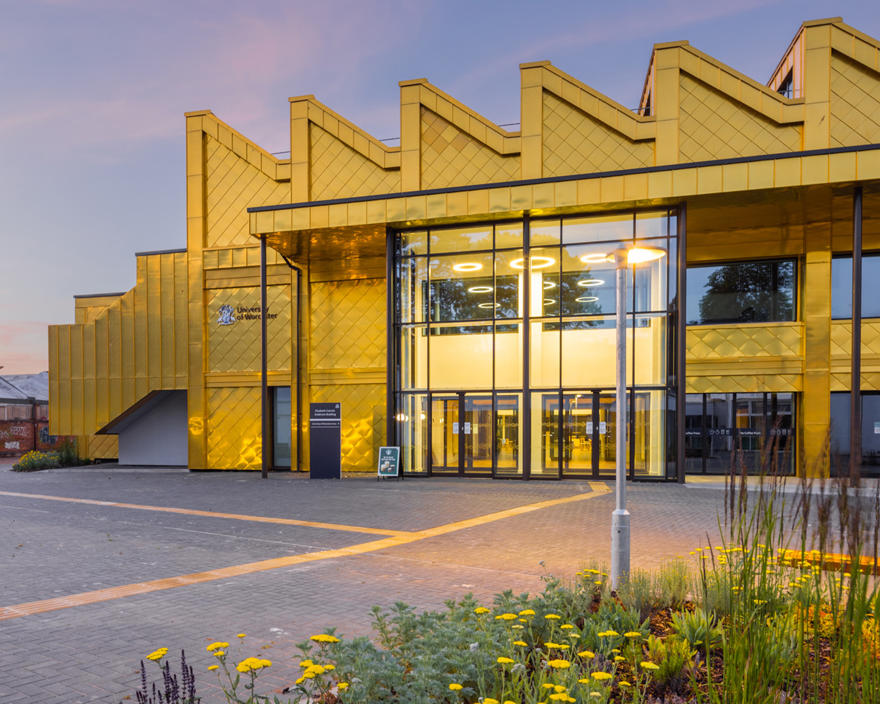 The Elizabeth Garrett Anderson building
We start with one of the University of Worcester’s most striking landmarks; the Elizabeth Garrett Anderson building.
One of the most distinctive buildings on Hylton Road, the Elizabeth Garrett Anderson Building is wrapped in a distinctive gold-coloured cladding, echoing the style of the nearby Unviersity of Worcester Arena and The Hive Library.
It was previously the headquarters of the Worcester News, the city’s daily newspaper, before it was acquired by the University of Worcester in 2022 and transformed into a state-of-the-art teaching base for future doctors, nurses, and allied health professionals.
The building was opened in 2024, following a complete refurbishment and transformation.
Today, it’s a hub of activity. The open-plan Anatomy Lab sits in the very speace where the newspaper’s vast printing presses once stood; presses that produced titles including the New Musical Express.
But it is the story of Elizabeth Garrett Anderson herself that truly makes this building’s name so fitting for a place of medical and health training.
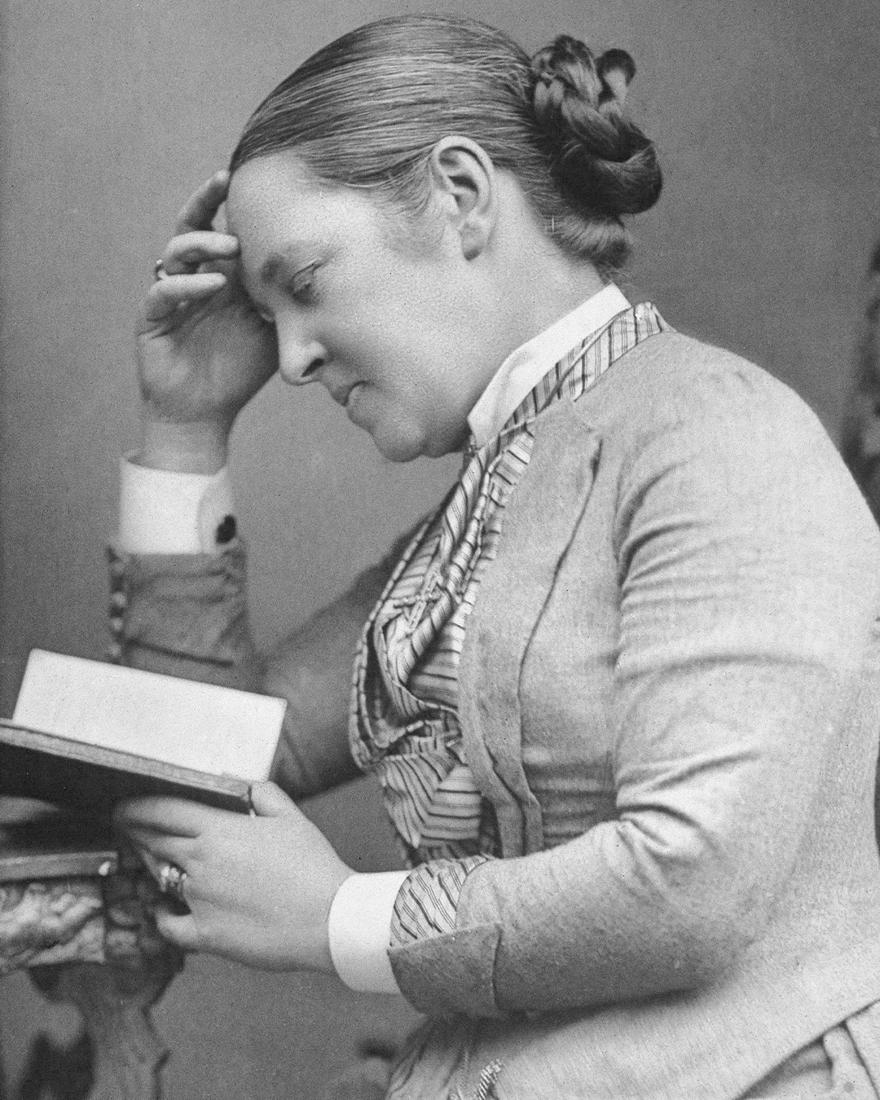 Elizabeth Garrett Anderson
Born in 1836, she became the first woman in Britain to qualify as a physician and surgeon, overcoming the determined resistance of Victorian medical institutions.
She was inspired to become a doctor after meeting the first American woman physician, Elizabeth Blackwell. Despite being refused entry to medical schools and professional societies, she found alternative routes to qualifications, earning her licence through the Society of Apothecaries in 1865 and her MD from the University of Paris in 1870.
According to the London Museum, it took until 1876 for the British government to pass an act allowing women to become licensed medical professionals.
She went on to open her own dispensary, later expanding it into the New Hospital for Women and co-founding the London School of Medicine for Women, and in 1876, an act was passed permitting women to enter the medical professions.
After retiring she continued to pave the way for women, becoming the first female mayor in England in Aldeburgh in Suffolk. She was also a member of the suffragette movement.
Her legacy is honoured at the University of Worcester, where the home of the Three Counties Medical School stands proudly in the building bearing her name; a fitting tribute to a woman who transformed access to medical education.
You can read more about Elizabeth Garrett Anderson on this BBC History article.