Holding Up the Sky Alone: The Hidden Strain on China's Divorced Single Mothers
The divorce rate in China has surged 17-fold in the past four decades, making it one of the highest in the world. Behind this statistic is a crisis made worse by stigma and the ‘good single mother’ ideal which divorced single mothers experience in their daily lives.
Divorced single mothers are navigating cultural expectations, economic pressure, moral judgement, and social stigma in China, even in the most developed cities such as Beijing, Shanghai, Guangzhou and Shenzhen.
They’re working gruelling hours in high-demand industries, especially in the IT and internet industries, often under the notorious ‘996’ schedule. “Your work starts at 9 in the morning and ends at 9 at night, six days a week,” explains Chunhong Zhou, a PhD researcher at the University of Worcester. “They do this while raising children alone and with limited support.”
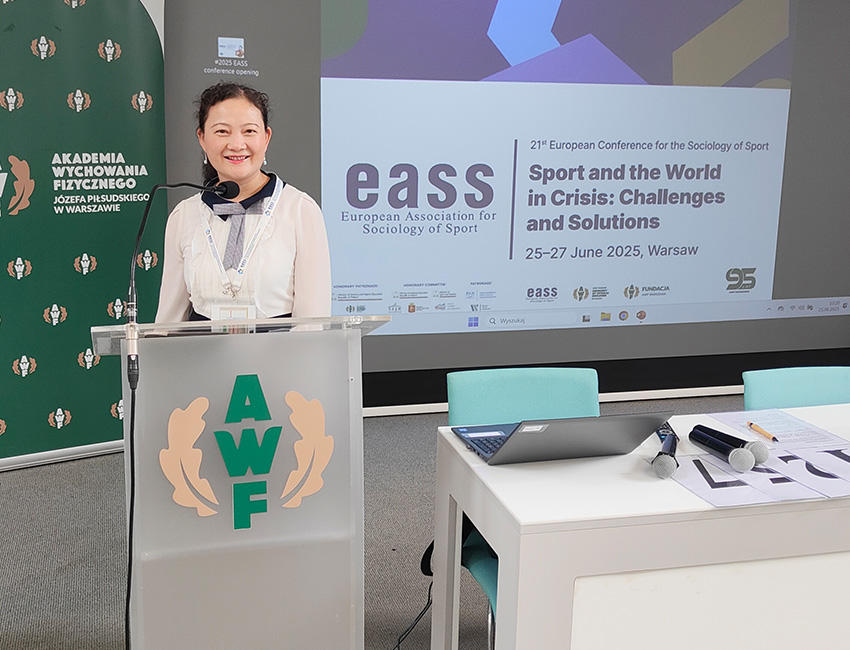
Chunhong’s PhD, “Women Are Still Holding up Most of the Sky: Urban Single Mothers’ Physical Activity, Participation and Social Wellbeing in China” examines this problem and the impact it is having on women and their wellbeing.
She adds: “Chinese society expects women to be involved in all areas of society. There’s an expectation that women should work in jobs and undertake most household duties, but the same expectation isn’t applied to men to be equally involved in the domestic roles.”
It’s no surprise that self-care, particularly physical activity, is out of reach for most women. “Physical activity isn’t their priority,” she says. “If they spend time exercising instead of caring for children, they will feel a strong sense of guilt. The gyms and exercise facilities at their workplaces aren’t designed for women. The programmes are geared towards male-oriented activities like rock climbing or basketball.”
“In China, physical activity isn’t their priority,” says Chunhong. “Childcare, family provision, working, they’re all essential, but never self-care.”
Physical activity isn’t just about fitness. It’s an important part of mental health and long-term wellbeing, and without it, the consequences for divorced single mothers in China are profound.
Chunhong explains: “Many women only realise the importance of exercise when a doctor tells them there’s no medicine that can boost their immunity, only physical activity can.”
For some, that advice comes too late. One participant admitted: “When I’m overloaded with work, I don’t exercise, taking medication feels more convenient.”
The challenges facing divorced single mothers in China may be deep-rooted, but they’re not insurmountable. Chunhong’s research points to where change could begin.
“Education starts from the family,” she says. “Parents, especially when raising girls, need to teach them that physical activity is crucial for long-term health outcomes and for gender equality.”
“Schools should foster girls’ gender equality awareness,” she adds. “It’s also critical that health and physical education policy makers develop gender equitable physical education curricula, and for schools to provide gender-neutral sport and physical activity facilities and programmes, and that physical education teachers are encouraged to adopt gender-inclusive teaching practices.”
Chunhong says that these changes in schools must be matched by a shift in how physical activity is supported and prioritised in adulthood.
She says: “Organisations should promote gender-equitable workplace participation in physical activity, and government policy should support single mothers by ensuring access to affordable childcare services and subsidised, inclusive physical activity programmes.”
She adds: “With these coordinated efforts, single mothers in China can increase their physical activity levels and achieve better health outcomes.”