A University of Worcester expert will be exploring cancel culture and the role of the news media and social media in this cultural phenomenon in an event at The Hive.
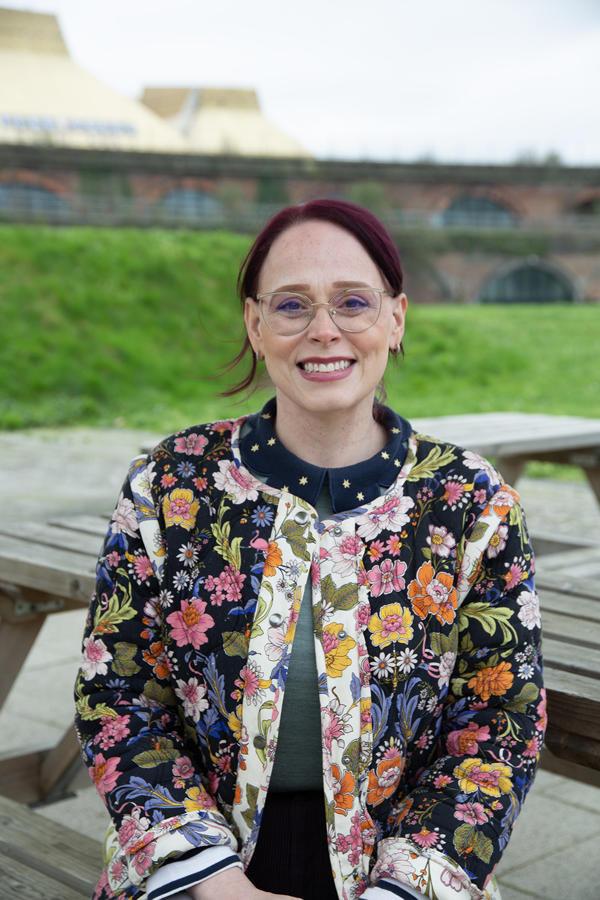 Katy Wareham Morris
Katy Wareham Morris, Senior Lecturer in Media & Film Studies and Course Leader for Media & Culture, will discuss the topic in a free talk on March 25 (5pm-6pm).
Cancel culture is the term given when large groups collectively decide to withdraw support for individuals or organisations after disagreeing with their actions or views.
“Cancel culture is one of the hot topics right now,” said Ms Wareham Morris, who specialises in the representation of cultural values, attitudes and beliefs in the media. “It’s a phrase many people recognise, but not everyone understands what’s behind it.”
“My session is partly around developing people’s media literacy and getting people to think more critically about their relationship with the media and what they see and experience through the media.”
Ms Wareham Morris will explain some of the terminology around the culture wars and cancel culture, along with some famous examples of cancel culture and digital activism campaigns calling out attitudes or behaviour, such as the Black Lives Matter or #MeToo movements. She will also explain, in her view, the role played by social media, and global news and social media corporations.
Titled ‘The Culture Wars: What is Cancel Culture?’, this is part of a series of weekly talks and workshops by the University’s experts in the Department of English, Media and Culture, which continues over the coming weeks.
In her talk, Ms Wareham Morris will not only look at recent examples of cancel culture, but also examples from 20 to 30 years ago.
“Many people think cancel culture is something new,” she said, “But versions of it have been around for decades.”
She added: “I think it has become more widespread because of social media and the shift of news into online spaces. A lot of it comes down to power; who controls the conversation and whose interests this cancel culture serves.”
Places for the talk are free, but booking is required.
To book visit the Worcestershire County Council what’s on webpages.