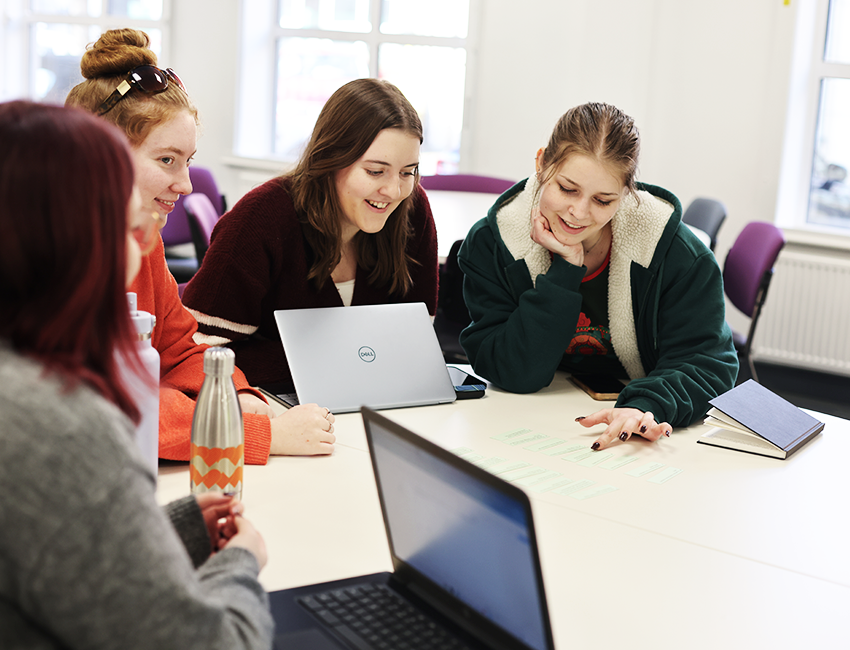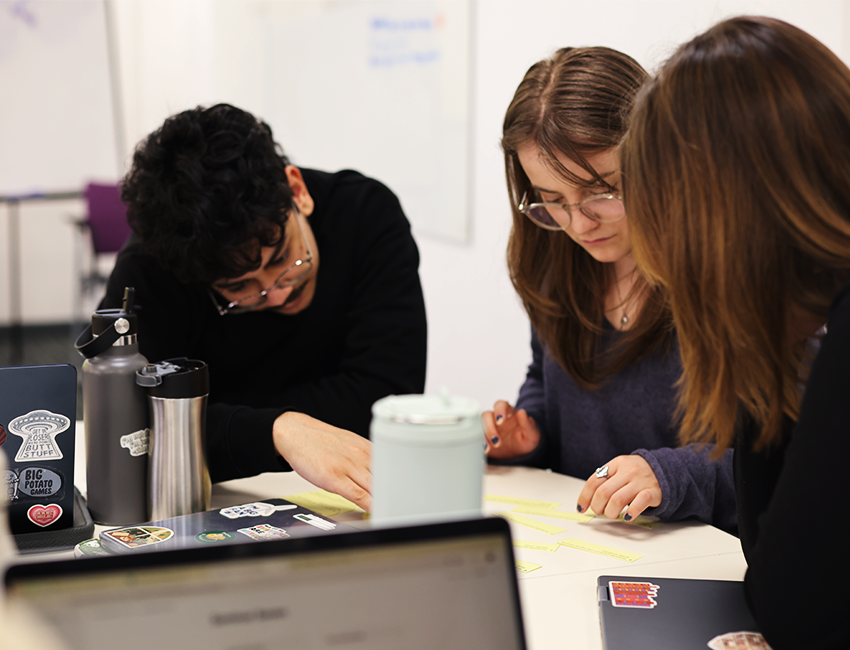
At Worcester, you’ll see how media can drive social change. Create your own content and have opportunities to work with award‑winning content creatives. You’ll could also work with charities and public services to explore local issues, uncovering how sociology and media shape public understanding and community action.
our Sociology courses are top 10 in the UK for teaching quality
for art and design teaching quality
Clearing 2026
Apply now to start this September. Check course availability, find out how to secure your place and take advantage of our accommodation guarantee on our Clearing webpages or by calling 01905 544433.
Overview
Media and film technologies have the potential to shape the world, and at Worcester we’ll introduce you to a variety of well-established and emerging fields and industries, including social media politics, marketing, and virtual reality. Learn about leading innovators in the media, technology and creative industries, and have the opportunity learn from professionals within digital marketing, content creation, cultural and heritage event industries and more.
Combined with Sociology, you’ll have the advantage of developing a deeper insight into how society both influences the world we live in, and how we view it. You’ll examine how societies function, evolve and adapt, question assumptions, uncover hidden inequalities and imagine solutions to today’s most pressing social challenges.
Across both subjects you’ll explore how gender, ethnicity, class, sexuality and more are represented in the media. Understand how media representation reflects the way these characteristics are viewed and discussed within society, and how power and inequality shape everyday experiences and global systems alike.
Build practical skills in research and analysis using different methods to understand the world around you. You’ll apply this as you explore how different media forms, genres and movements reflect the society they were created in, and how they can influence how people think and act.
Develop your passion for film, media and sociology as you develop your critical thinking, communication and problem-solving skills. This course helps you step into a career where you can make a difference in your community and beyond.
Work experience
As part of the Sociology course, you’ll have the chance to complete a placement with local organisations, such as Worcester County Council, charities and other public services. These experiences give you practical insight into how social issues affect different sectors and the roles involved in addressing them. They also provide valuable work experience, the chance to meet local employers, and support in exploring a wide range of future career paths.
Work project
In your second year, you will have the option to take on a work project. With support from staff and University support services you'll organise your own project opportunity, and take the chance to develop your practical skills and network with the local community. You'll experience first-hand what it can be like to work within film and media and learn how to launch and develop your own creative project.
Course content
Throughout the course you’ll be an active researcher as you find case studies relevant to your interests and specialisms, to critically analyse and inspire your own creative work. You’ll have various opportunities to develop your own projects, build your portfolio and develop your skillset in preparation for your final year project.
We regularly review our courses to reflect the latest research and developments in the subject area, as well as feedback from students, employers and the wider sector. As a result, modules may change to ensure the course remains current and relevant.
Optional modules will run if enough students choose to study them. It is not guaranteed that all modules will be offered every year.
Careers
The critical and creative thinking skills you develop on this course will prepare you for further study or a career in the media or sociology sectors. You can also use your transferable skills to explore a wide range of careers beyond these industries.
This course will help you progress towards a career in:
- Digital marketing and social media
- Public relations and local politics
- Civil service
- Research
- Journalism
Further study
You could develop your skills and knowledge on our MA Cultural Studies, Media and Culture MRes, Creative Media MA, Culture, Media and Film MPhil and PhD, or Film MRes courses.
Alternatively you could progress into one of our one-year Primary or Secondary PGCE courses and train to be a qualified teacher.
Course highlights
Teaching and assessment
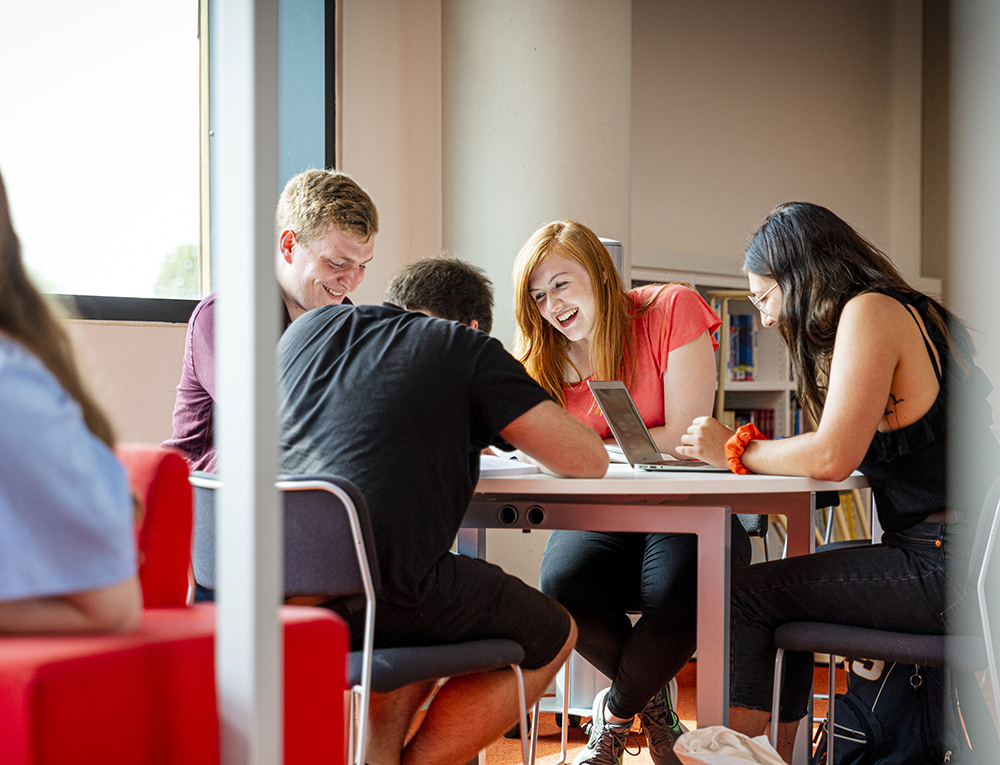
Teaching includes a variety of methods such as interactive seminars, lectures, one-to-one tutorials, and hands-on skills sessions. The assessments are designed to help you develop your skillset and demonstrate your understanding, alongside providing the opportunity for you to develop your own ideas and projects for your portfolio.
There are no exams in sociology-coded modules. Instead you’ll develop your research and communication skills through essays, book reviews, case study analyses and presentations.
Teaching and assessment contents
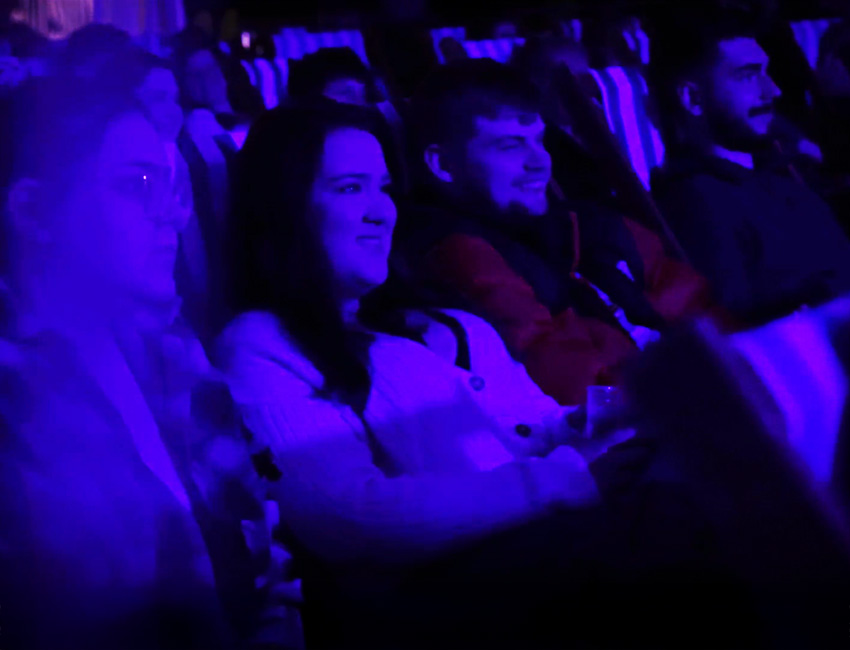
You will be taught through a combination of interactive lectures, seminars and workshops. You will also have the opportunity to develop your understanding by taking part in class trips, such as immersing yourself in a virtual reality gaming arcade or going behind the scenes at a local festival. You will also be invited to our course events which include exclusive film screenings and guest speakers.
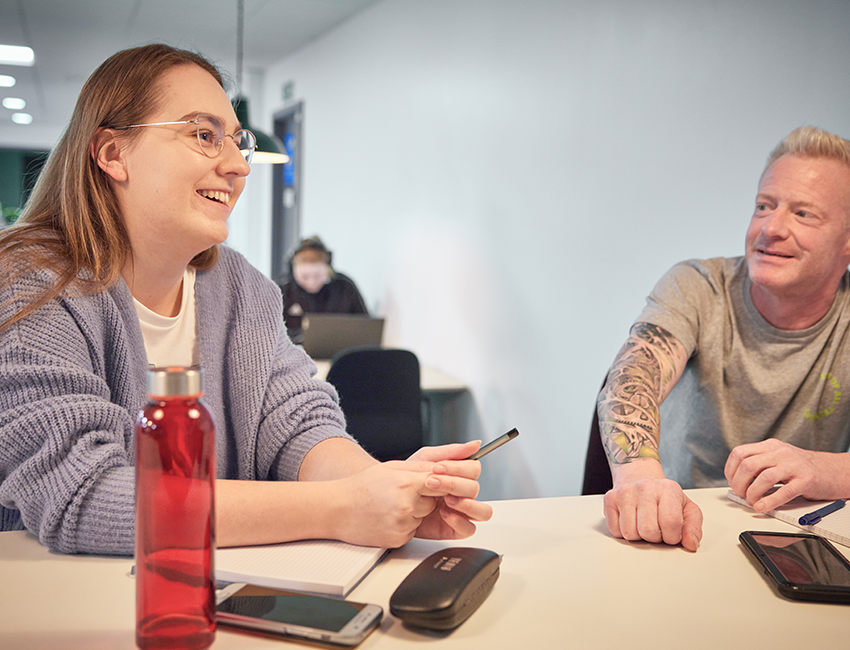
You will develop your understanding of key concepts and theoretical ideas through discussion and debate with your lecturers and peers. We do not shy away from controversial topics, especially as they are often misrepresented in the media and films, but we pride ourselves on creating a safe, inclusive and respectful space where you'll feel supported and confident in sharing your thoughts.
Some modules will be delivered through workshops which are designed to help you develop transferable skills, digital literacy and strategic career plans. This might include working on professional social networking through LinkedIn, industry-standard blogging platforms such as WordPress or creating content for TikTok.
Meet our Film and Sociology lecturers
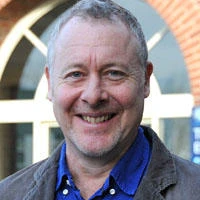
Dr Simon Hardy
Simon Hardy has lectured at the University of Worcester in Sociology and Media & Cultural Studies since 1995, with specialisms in the history of sexuality, the sociology of pornography and contemporary media coverage of warfare.
Dr Katy Wareham Morris
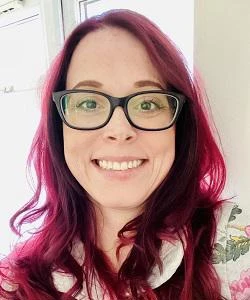
Katy leads the BA Hons in Media & Film Studies, a dynamic course which responds to innovations in media forms and applications as well as contemporary cultural issues. Katy is particularly interested in how digital technologies have changed media industries and the way audiences respond to them; and, media futures including immersive media. Katy interrogates media representations created by and representing identities and cultures which have been historically marginalised and challenge the white, middle class, patriarchal tradition. Katy is a proud working class, disabled, female academic and, a published poet.
Dr Luke Devine
Luke's teaching specialisms include sociology of religion, political philosophy, antisemitism, Freud and psychoanalytic sociology, and Jewish history and literature.
His research is primarily focused on fin de siècle Anglo-Jewish literature, particularly Amy Levy, on representations of Shekhinah in Jewish mystical literature, and on Sociology of Religion.
Dr Mikel Koven
Dr Mikel J Koven is a senior lecturer in Media & Film Studies. His teaching areas include World cinema; genre; Hollywood cinema; horror cinema; film & folklore; and cult & exploitation cinema.
His research areas include Film & Folklore (fairy tales, myths, and legends); Exploitation cinema (with a focus on Italian horror film); Jewish cinema (representations, stereotypes, and the Holocaust); and “Cult” TV.
Dr Simon Hardy
Simon Hardy has lectured at the University of Worcester in Sociology and Media & Cultural Studies since 1995, with specialisms in the history of sexuality, the sociology of pornography and contemporary media coverage of warfare.
Dr Katy Wareham Morris
Katy leads the BA Hons in Media & Film Studies, a dynamic course which responds to innovations in media forms and applications as well as contemporary cultural issues. Katy is particularly interested in how digital technologies have changed media industries and the way audiences respond to them; and, media futures including immersive media. Katy interrogates media representations created by and representing identities and cultures which have been historically marginalised and challenge the white, middle class, patriarchal tradition. Katy is a proud working class, disabled, female academic and, a published poet.
Entry requirements
UCAS tariff points required: 104
| Qualification | Grade |
|---|---|
| A-level | BCC |
| BTEC National Extended Diploma | DMM |
| T-level | M |
We do accept Access to HE Diplomas and other qualifications which may not exactly match the combinations above. Work out your estimated points with the UCAS tariff calculator.
Any questions?
If you have any questions about entry requirements, please call our Admissions Office on 01905 855111 or email admissions@worc.ac.uk.
Fees
Fees contents
UK and EU students
In 2026/27 the standard fee for full-time home and EU undergraduate students on BA/BSc/LLB degrees and FdA/FdSc degrees is £9,790 per year.
Tuition fees are reviewed annually and may increase each year for both new and continuing students.
For more details on course fees, please visit our course fees page.
International students
In 2026/27 the standard tuition fee for full-time international students enrolling on BA/BSc/LLB degrees and FdA/FdSc degrees is £17,200 per year.
Tuition fees are reviewed annually and may increase each year for both new and continuing students.
For more details on course fees, please visit our course fees page.
How to apply
How to apply contents
Applying through UCAS
UCAS is the central organisation through which applications are processed for full-time undergraduate courses in the UK.
Read our how to apply pages for more information on the application process, or if you’d like to apply for part-time study.
Contact
If you have any questions, please get in touch. We're here to help you every step of the way.
Dr Katy Wareham Morris
Senior Lecturer in Media & Film Studies; Course Leader for Media & Culture; Head of Department for English, Media and Culture
k.wareham.morris@worc.ac.ukDr Charlotte Barnes
Course Leader for Media and Film Studies, Lecturer in Cultural Studies
c.barnes@worc.ac.ukAdmissions Office
admissions@worc.ac.uk01905 855111More to explore
Open Days
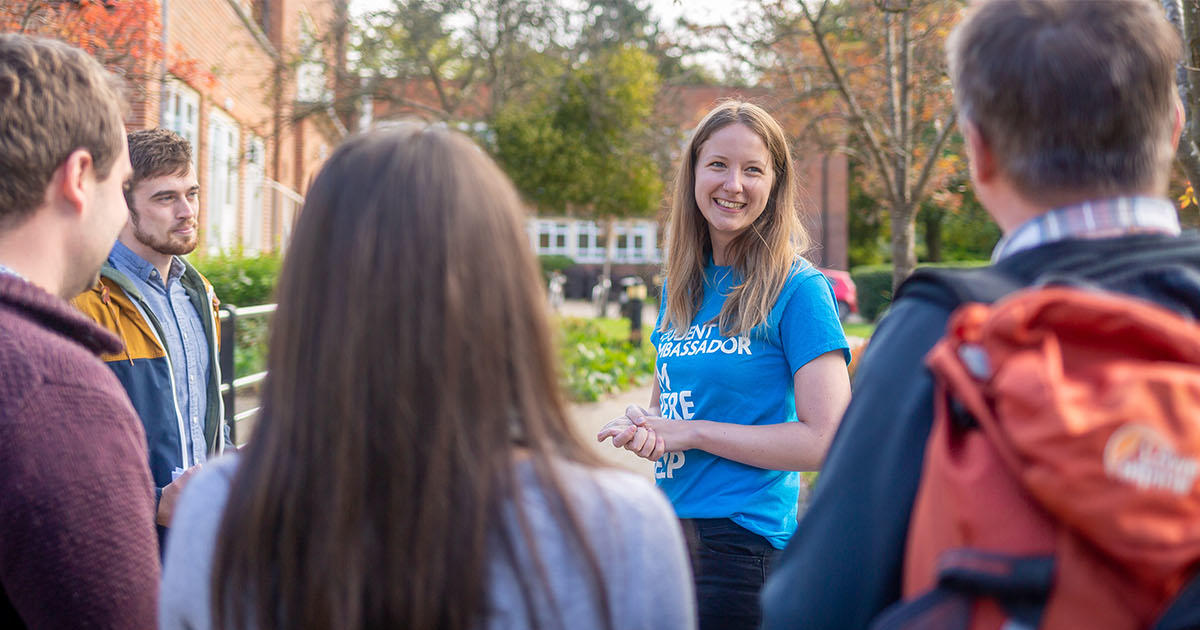
Visiting us is the best way to get a feel for student life at the University of Worcester.
The City of Worcester
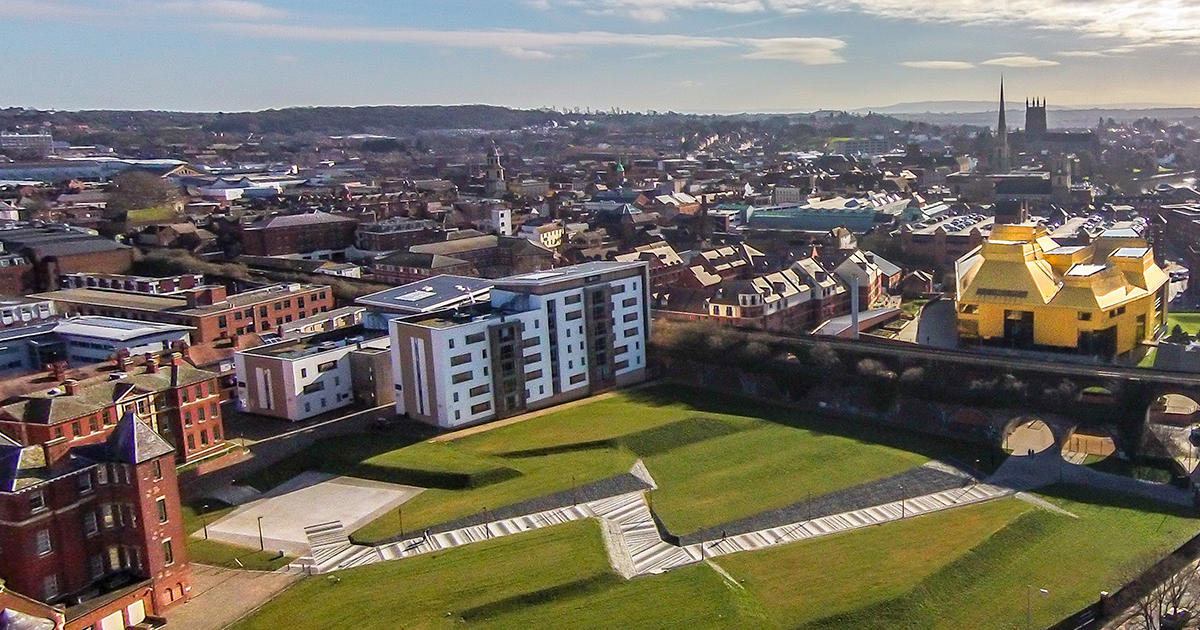
Worcester is a welcoming university city with great transport links and plenty of student parking.
Accommodation
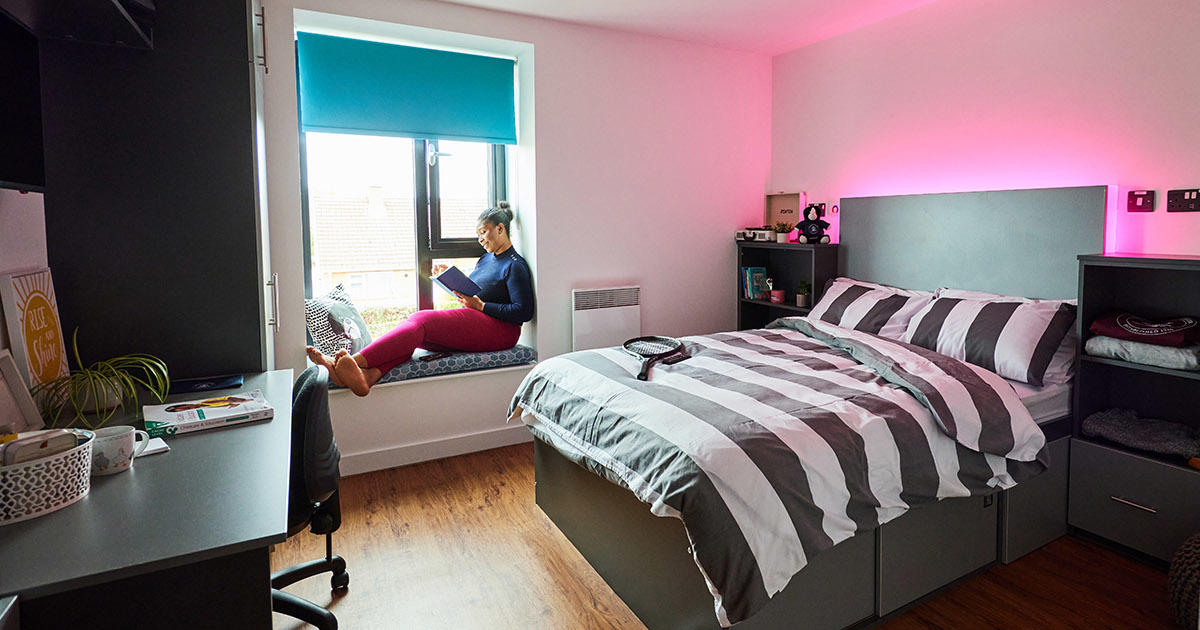
Benefit from our accommodation guarantee. We have rooms on campus to suit every budget including en-suite options.