Experts from the University of Worcester have been working with men recently released from prison to evaluate the impact of an innovative rehabilitation programme centred around fitness.
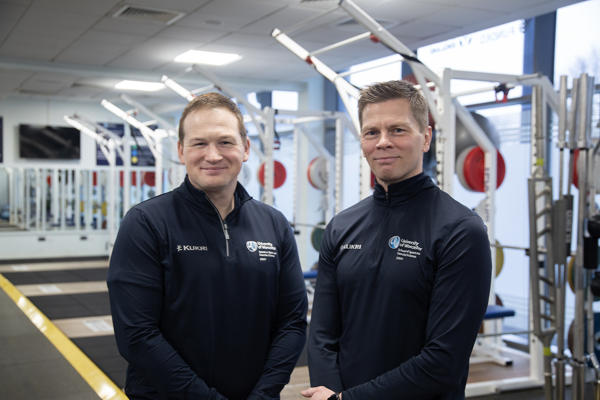 (left to right): Christian Edwards and Chris Cattell
Their report on the pilot scheme could help make the case for rolling the programme out to prisons across the country.
Lecturers Chris Cattell and Dr Christian Edwards, from the School of Sport & Exercise Science, have been assessing the 180 Project’s Prison Programme, trialled over three years at HMP Lancaster Farms. This is the first formal evidence of its impact.
The 180 programme begins six months before release and continues into the community following resettlement. Centred on CrossFit training, it builds camaraderie and breaks down barriers among participants, creating a supportive environment for open discussions around behaviour, mental health and life beyond custody.
Following release, each participant is provided with access to ongoing support, including counselling, housing assistance, and continued training sessions. This holistic approach aims to reduce reoffending and support long-term rehabilitation.
To explore the programme’s impact, the researchers interviewed participants about their lives before, during, and after imprisonment, focusing on changes linked to their involvement in the programme. They also visited HMP Lancaster Farms, taking part in CrossFit training with men in prison and during their resettlement.
The pair said their findings demonstrated that the blend of group-based CrossFit training alongside other group-based support helped participants to reimagine and reconstruct their potential ‘future selves’ beyond prison. And their findings indicated the programme has the potential to break negative behavioural cycles and contribute to reduced reoffending.
Chris Cattell, Course Leader for the foundation degree in Sports Coaching and PE, said: “Our research shows that the 180 Project creates a powerful sense of community inside prison. Through shared training, men described how they developed discipline, compassion, and respect for others. It also helped them reimagine what their future can be beyond prison.”
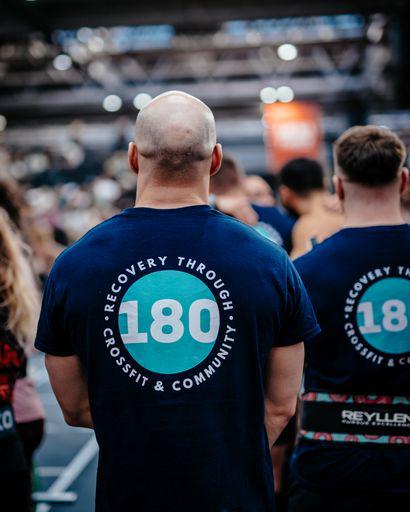
Dr Christian Edwards, Principal Lecturer in Sports Coaching Science, said: “The values fostered within the prison programme transferred into life after prison, with participants reflecting on how this shift in attitudes influenced their actions and outlook upon release from HMP Lancaster Farms. Many of the participants have had multiple sentences, and they haven’t reoffended since beginning this project.”
He added: “What came through in our interviews is a real feeling of the men wanting to give back to the community and to others. Some of the men have now moved into youth education or crime reduction initiatives. They are now effectively working on crime prevention and supporting their community.”
Lindsey Middleton, co-founder of the 180 Project and Head of Criminal Justice Services at the charity, said: “This report will help the prison service look at how this can be rolled out regionally and nationally.”
She continued: “The research gives us evidence of what we do which will impact on funding and wider understanding of our programme. It gives a basis for a broader conversation as to what resettlement looks like and what the challenges are so we can connect the dots with grass roots organisations, police, prisons and probation.”
The 180 Project, based in Lancashire, was created to support people leaving prison, and help them avoid reoffending by changing their circumstances and mindset.