What you could do with a Policing degree
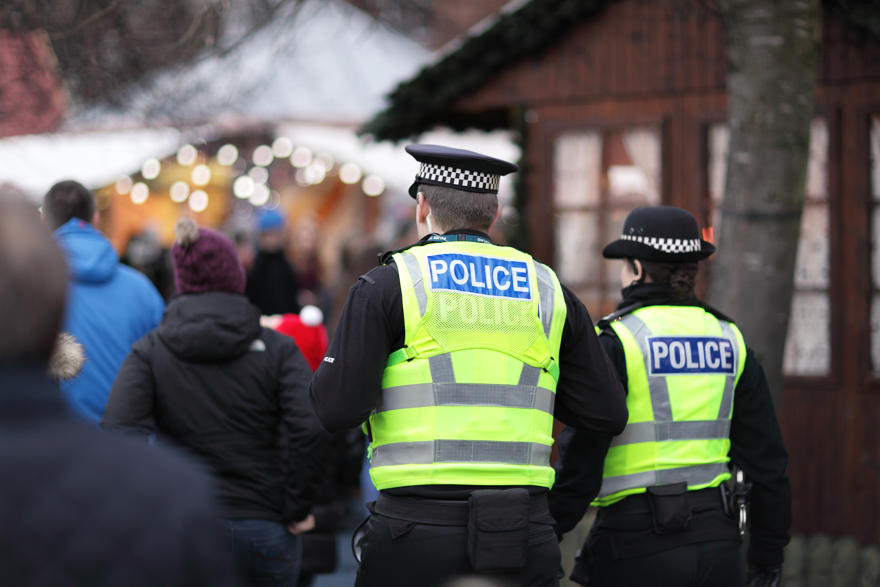
When I started my policing degree, I thought the only job I could do with it was be a police officer. I was so wrong! I hadn’t realised how many careers the degree could open up to me. Graduates can take the skills learnt on a policing degree into broader policing roles or wider careers within the criminal justice system, like the CPS, courts or the prison service. You can work for a police force in a number of civilian roles too, you don't have to be a police officer!
Police Staff
I'm now a police despatcher, where I use what I learnt about risk, vulnerability and decision-making every shift. In the control room, I review live incidents as they unfold, deploy officers and pass on live updates as situations develop. Several incidents can be happening at once, so I have to decide which information needs to reach officers first. Studying risk and vulnerability helped me understand why a detail that seems minor can change the response someone needs. I also understand a lot about the tasks officers will need to complete and that’s one of the clearest links between what I learnt in my degree and what I do now. But each police force employs as many police staff as officers, and it is worth seeing what other staff roles exist - all work within the same departments as warranted officers, they just don't have the same powers.
Police Officer/ Detective/ Community Support Officer
Working as an officer in a local force can involve responding to emergencies, investigating offences as a detective and working with communities. Studying police powers and professional ethics made me think about how I would explain a decision to the person affected by it. If you’re drawn to face-to-face work and want to see the impact of your decisions first-hand, this could be a good fit. Community Support Officers are also warranted officers and are based in a local community to problem-solve and manage risk/ intelligence. If you are interested in investigating crime, interviewing victims and offenders and working with multi-agency partners - all to bring offenders to justice, safeguard victims and protect the public, then being an officer or detective might be for you!
There are also specialist police forces across the UK and in the armed forces. The British Transport Police (BTP) officers help keep passengers and staff safe across Britain’s rail network. The Civil Nuclear Constabulary (CNC) has a different remit, providing armed protection for civil nuclear sites and materials. I hadn’t considered either force before my degree. Looking at what each protects is a good way to work out which kind of policing interests you.
The Army’s Royal Military Police, the RAF Police and the Royal Navy Police all offer policing careers within the armed forces. Depending on the service and role, the work can involve investigations, security or leading policing teams. These roles come with their own military entry and training requirements and is a great way to see the world!
Crown Prosecution Service
The CPS employ policing graduates too - recently as a paralegal assistant. That stood out to me because I enjoyed seeing how evidence gathered during an investigation is used in court. Paralegal assistants help prosecution teams prepare cases. If you enjoyed working through case papers and spotting gaps in the evidence, it’s a role worth exploring and can lead onto a legal career through their in-house training schemes.
Custody Roles
Learning about safeguarding and managing conflict on your policing degree, means you can put those skills to use as a prison officer. The role includes keeping the prison safe, carrying out welfare checks and supporting people in custody as they prepare for release. You could also become a custody detention officer in police custody blocks where the focus is on the safety and welfare of people detained at a police station. In both settings, knowing how to recognise vulnerability and communicate calmly under pressure is an important part of the job and is part of your policing degree.
The point is - you don't have to become a police officer just because you've studied a policing degree. It opens so many doors to other careers within the criminal justice system!
Blog uploaded: 25 November 2026