This fully-accredited course combines study with hands-on experience to teach you the latest techniques in exercise rehabilitation. Our graduates become confident sports therapists, working with sports clubs at all levels, within the NHS, or in private practice.
of our Sport and Exercise Science graduates are in work or further study 15 months after graduating

Our course is accredited by the Society of Sport Therapists. This means you can apply to become a member at the end of your degree.
University of the Year finalist
Recognised for our graduate success, we’re shortlisted for University of the Year in the Times Higher Education Awards 2025.
Overview
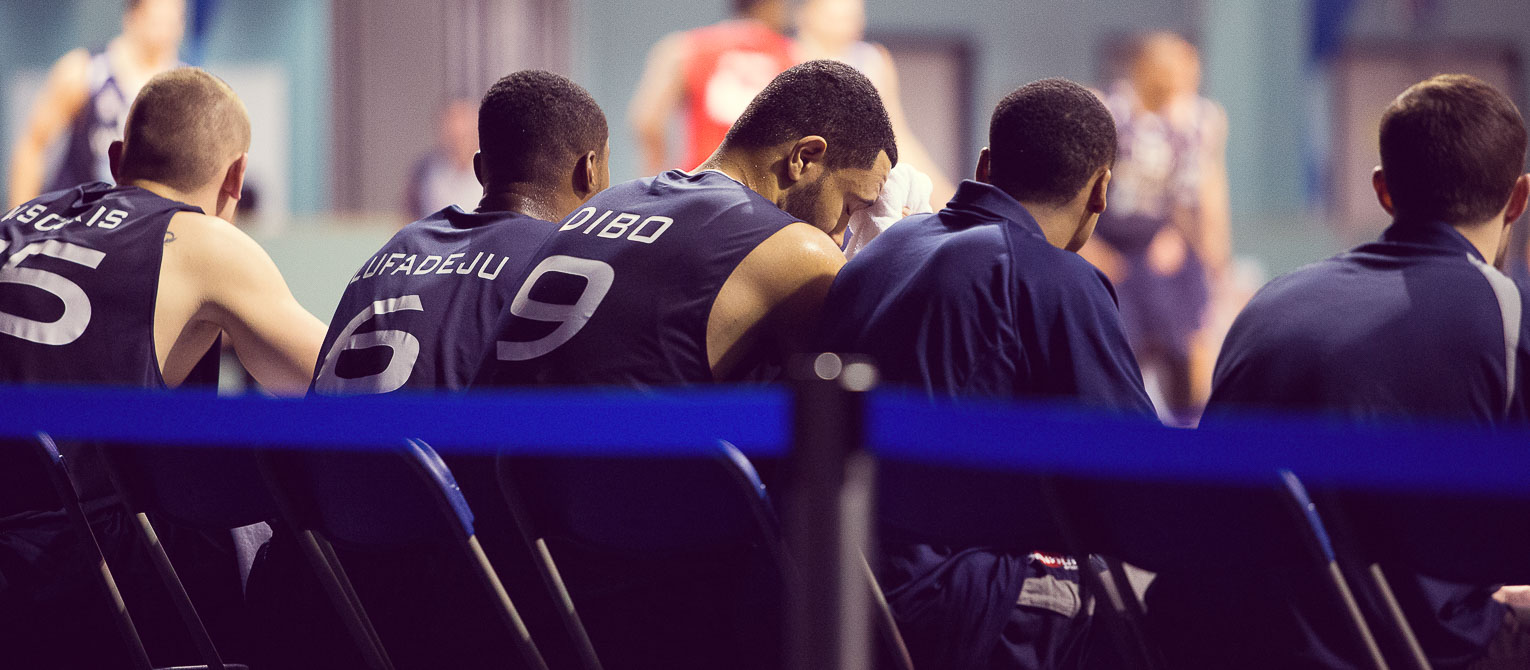
From your first year, you’ll get real-world experience on placement. You’ll spend at least 200 hours on clinical placement gaining real-world experience with our partners including professional sports clubs such as Valencia Basketball Club and Gloucester Rugby as well as private practitioners. You can develop your experience with our student-led clinics, University sports teams and external competitions, such as the London Marathon. In many cases, our placement providers become your employer, offering internships through to full-time positions.
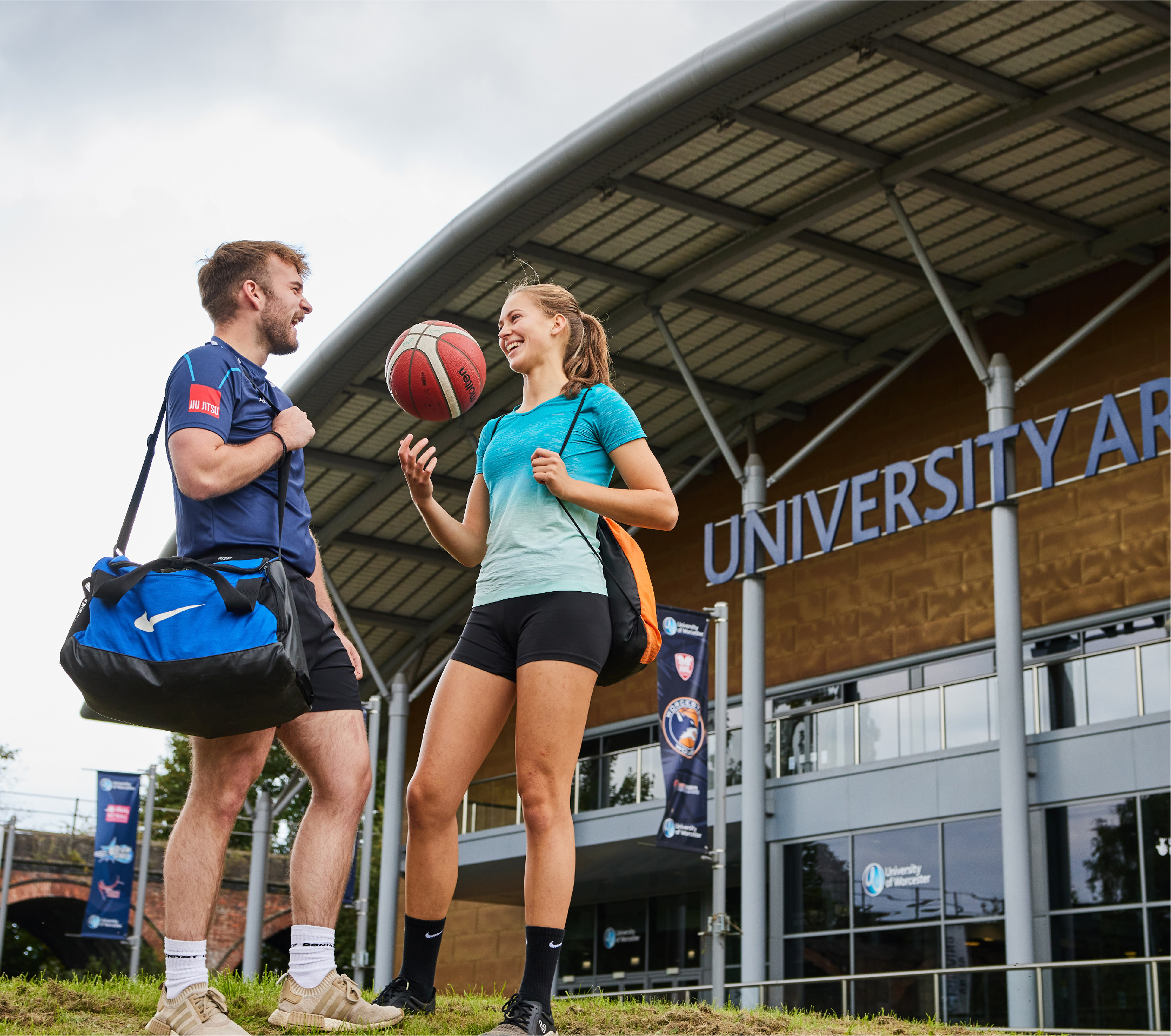
Our lecturers teach you how to support your sportsperson and give you access to specialist facilities, such as our BASES accredited human performance labs. You can measure joint movement patterns on our isokinetic dynamometer or an athlete’s skeletal movement with clinical gait analysis. You’ll be encouraged to take extra qualifications to stand out, with the Sports First Aid, Automated External Defibrillation (AED) and Advanced Trauma Qualification included in your tuition fee. There are also opportunities to work in our world-class University Arena – the UK’s first indoor sports hall specifically designed to include wheelchair athletes.
Our career-based assessment methods also compliment your placement opportunities. These include sports massage clinics, written laboratory reports and creating informative leaflets for athletes.
There’s plenty of opportunities to make new friends. You’ll peer review each other’s work, travel together for placement opportunities and get to join the societies which interest you.
When you graduate, you’ll join our course community of well-respected alumni, trusted to keep amateur and elite athletes on the pitch.
Placements
You’ll get hands on experience from day one through placements, supported by lecturers and mentors. You are required to attend 200 hours of placement so you can join the Society of Sports Therapists upon your graduation.
Our students have attended many successful professional placements including:
- Gloucester Rugby
- The London Marathon
- Kidderminster Harriers
- University of Worcester Sports Societies
- Valencia Basketball Club (Spain)
Student clinics at the Sports Centre


Course content
On this accredited course you’ll study theories backed up by substantial evidence, and then get the opportunity to apply this learning in professional practice.
We regularly review our courses to reflect the latest research and developments in the subject area, as well as feedback from students, employers and the wider sector. As a result, modules may change to ensure the course remains current and relevant.
All modules are mandatory to ensure you’re eligible to register with the Society of Sports Therapists.
Careers
You’ll graduate with clinical skills in the prevention, assessment and management of sports injuries. Our students go on to work with sports clubs at all levels, the NHS or in private practice as a personal trainer or massage therapist.
Our graduates have worked for teams and events such as:
- West Bromwich Albion
- Bristol City FC
- Seattle Seawolves
- Wasps Rugby
- Wasps Netball
- Birmingham Commonwealth Games
- Diamond League Athletics
Postgraduate Study
You’ll be taught the research skills to study a masters degree in sports, such as our Sport and Exercise Medicine and Applied Sports Performance Analysis courses.
Teaching
Some of our graduates also decide to become teachers. You can train to teach with a one-year Primary or Secondary PGCE at Worcester.
Course highlights


Teaching and assessment
Our Sports Therapy course creates career-ready graduates by giving you practical experiences. You are taught with interactive lectures and seminars, whilst completing practical sessions both in the classroom and on professional placement.
Our assessments aren’t just essays. You’ll run sports massage clinics, write laboratory reports and create business plans, so you have real-world, assessed examples of work to put on your CV.
Teaching and assessment contents
You are taught through a combination of traditional and online lectures, theoretical and applied seminars and practical sessions in clinical and applied settings. You will learn the therapeutic skills of detailed anatomy, examination and assessment, joint mobilisations, massage, sports rehabilitation and other electrotherapy modalities. The course will also develop academic skills such as of scientific writing, researching, critical thinking and clinical reasoning utilising the current evidence base.
In addition, meetings with Personal Academic Tutors (PAT) are scheduled on four occasions in each year of a course. The purpose of these meetings is to support your progress and enhance your learning through a personalised approach to meet individual student needs.
You have an opportunity to consolidate your practical skills and communication skills in clinics, at external events and placements throughout the course. Links have been forged with a number of local professional and amateur football, rugby, cricket and basketball teams - other sports also provide placement opportunities.
Meet the team
Here are a few of the academic team that you'll be learning with.

Dr Darren Cooper
Darren has worked with athletes professionally since 2003 ranging from dedicated amateurs to Olympians. His areas of expertise are Sports Therapy, Elite Sports Performance, Sports Biomechanics and Learning and Teaching.
He enjoys teaching on many modules, including the Functional Anatomy and the Advances and Developments in Sports Therapy modules.

Dr Christopher Holland
Christopher is a graduate Sports Therapist and has been teaching in Higher Education since 2005 across all areas of Sports Science and Sports Therapy. He has a background as a professional footballer and has worked as a Sports Therapist and Strength and Conditioning Coach across a variety of elite level sports and within private practice. He is also currently a Director of the Society of Sports Therapists and as such brings a wealth of knowledge, experience, and insight to the course.

David Hickman
David is Course Leader for Sports Therapy and teaches across all levels of the course. His areas of interest are sports rehabilitation, trauma management, and concussion.
David’s professional experience comes from working as a Sports Therapist in football, basketball, wheelchair basketball and netball. David has also worked as a head injury reviewer and concussion assessor in the Women’s Rugby Premiership.
Dr Darren Cooper
Darren has worked with athletes professionally since 2003 ranging from dedicated amateurs to Olympians. His areas of expertise are Sports Therapy, Elite Sports Performance, Sports Biomechanics and Learning and Teaching.
He enjoys teaching on many modules, including the Functional Anatomy and the Advances and Developments in Sports Therapy modules.
Dr Christopher Holland
Christopher is a graduate Sports Therapist and has been teaching in Higher Education since 2005 across all areas of Sports Science and Sports Therapy. He has a background as a professional footballer and has worked as a Sports Therapist and Strength and Conditioning Coach across a variety of elite level sports and within private practice. He is also currently a Director of the Society of Sports Therapists and as such brings a wealth of knowledge, experience, and insight to the course.
Entry requirements
UCAS tariff points required: 112
| Qualification | Grade |
|---|---|
| A-level | BBC |
| BTEC National Extended Diploma | DMM |
| T-level | Merit |
We do accept Access to HE Diplomas and other qualifications which may not exactly match the combinations above. Work out your estimated points with the UCAS tariff calculator.
Any questions?
If you have any questions about entry requirements, please call our Admissions Office on 01905 855111 or email admissions@worc.ac.uk.
Fees
Fees contents
UK and EU students
In 2026/27 the standard fee for full-time home and EU undergraduate students on BA/BSc/LLB degrees and FdA/FdSc degrees is £9,790 per year.
Tuition fees are reviewed annually and may increase each year for both new and continuing students.
For more details on course fees, please visit our course fees page.
International students
In 2026/27 the standard tuition fee for full-time international students enrolling on BA/BSc/LLB degrees and FdA/FdSc degrees is £17,200 per year.
Tuition fees are reviewed annually and may increase each year for both new and continuing students.
For more details on course fees, please visit our course fees page.
How to apply
How to apply contents
Applying through UCAS
UCAS is the central organisation through which applications are processed for full-time undergraduate courses in the UK.
Read our how to apply pages for more information on the application process, or if you’d like to apply for part-time study.
Contact
If you have any questions, please get in touch. We're here to help you every step of the way.
Admissions Office
admissions@worc.ac.uk01905 855111More to explore
Open Days
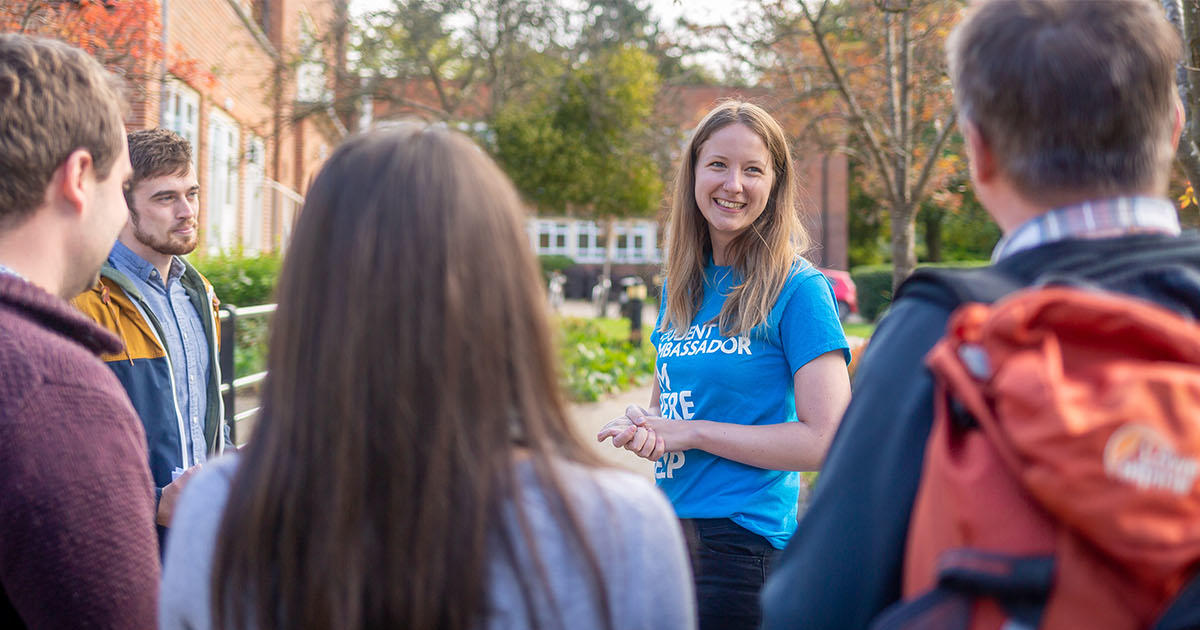
Visiting us is the best way to get a feel for student life at the University of Worcester.
The City of Worcester
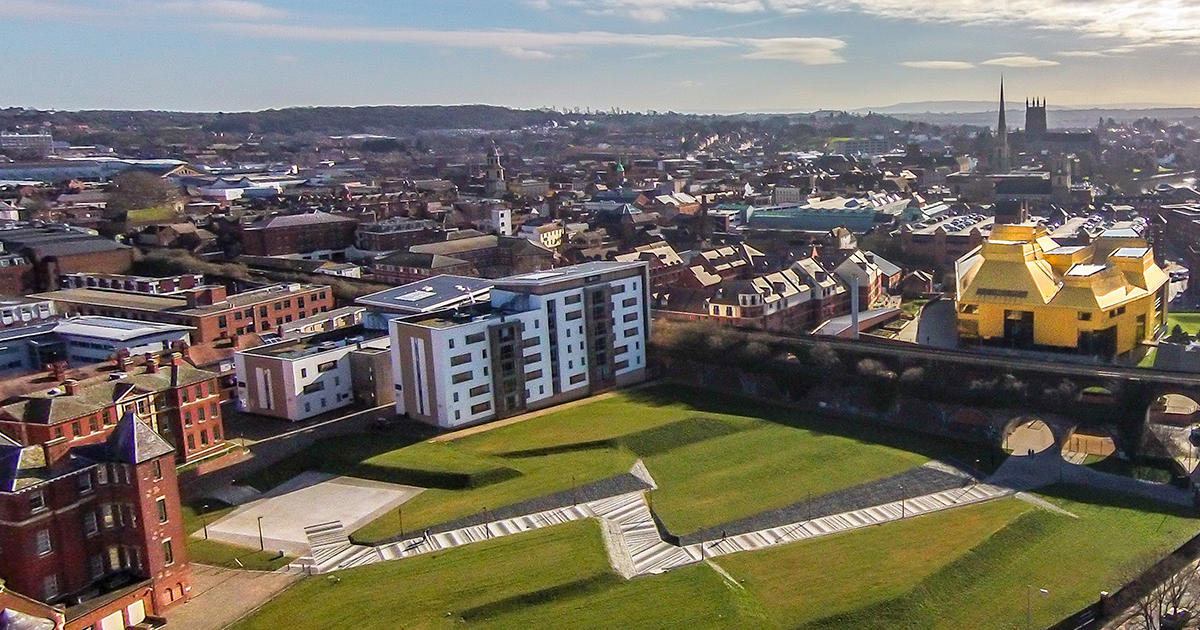
Worcester is a welcoming university city with great transport links and plenty of student parking.
Accommodation
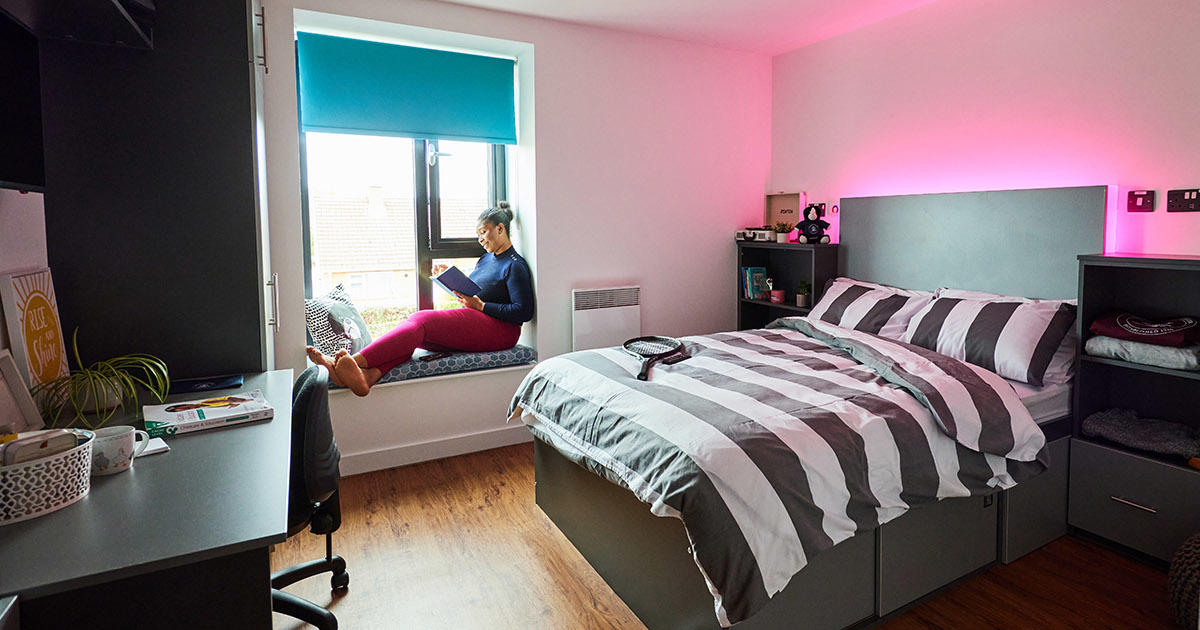
Benefit from our accommodation guarantee. We have rooms on campus to suit every budget including en-suite options.